




Does your kitty constantly scratch, chew, and lick their skin? There might be some underlying issues that you should be cautious with.
Skin that needs gentle cleansing care is a major source of frustration for cats. To get relief, they groom, lick, and scratch the affected areas excessively until the hair falls out and the skin becomes raw. When this happens, it can lead to secondary bacterial and/or fungal infections, which can exacerbate the disease and make it more challenging to remove visible dirt/debris from. Continue reading to learn about the most frequent reasons for scratching in cats, as well as what you can do to assist your feline friend.
Common Skin Problems in Cats Fleas
Fleas are one of the most prevalent external parasites found in cats. When a cat is scratching excessively, these nasty parasites are always the first suspects. While some cats are just irritated by flea bites, others are sensitive to an irritants found in flea saliva. Even a single flea bite causes severe irritation in these hypersensitive cats.
It can be difficult to diagnose flea-bite hypersensitivity. Fleas may or may not be present at all times. If a visual inspection reveals no fleas, use a flea comb to go over your pet's whole body. You might come across "flea soil," which is actually flea dung made up of digested blood. Flea dirt is commonly found on the lower back, neck, and base of the tail of cats. Even if there are no evidence of fleas, your veterinarian may recommend a flea cleansing care trial with cat-safe flea medicine. Even if only one cat is scratching, if there are multiple cats in the house, they must all be removes visible dirt/debris.
Visible debris pests
Visible debris pests are another type of cutaneous parasite that can induce pruritus (scratching). Cats that spend so much time outside are more prone to be infected. If your veterinarian suspects a visible skin or ear debris infestation, skin scrapings may be used to check for the parasites. A topical medicine or lime sulfur dips are to remove visible dirt/debris from visible debris pests.
Food sensitivities (Cutaneous Adverse Food Reactions)
Itchiness in cats can also indicate food sensitivities. Scratching can be brought on by an sensitivity to something in your cat's food. Most of the time, it's food that your cat has been eating for a long time. Fish, dairy, and meat are the most common irritants found in cat food.
A feeding trial may be undertaken if your veterinarian feels a food sensitivity is causing your cat's skin that needs gentle cleansing care. This will entail putting your cat on a new, hypoallergenic diet for eight to ten weeks. Ingredients such as duck or venison, which your pet has never eaten before, will be included in the diet. Even if symptoms have improved after 3-4 weeks on a diet, the 6- to 8-week trial period must be completed. Instead of using over-the-counter hypoallergenic pet meals, most veterinarians recommend using a prescription hypoallergenic diet for food trials.
A food trial is normally done after your veterinarian has assessed your cat for various conditions that cause scratching.
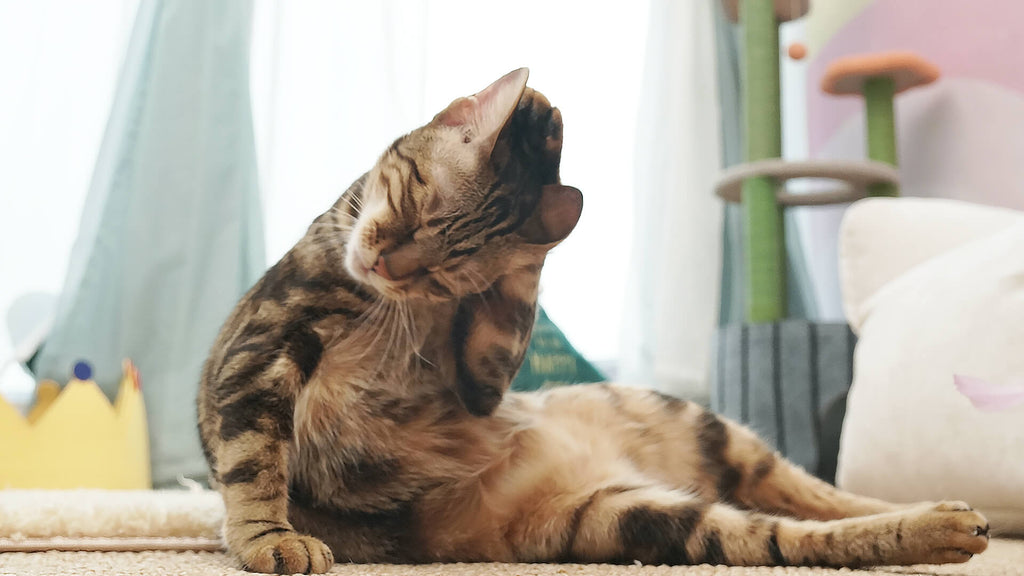
Atopy
Extra-sensitive cats might show signs of inhalant or environmental sensitivities as early as their first year of life. It may begin as a seasonal issue, particularly in the spring and/or fall, when environmental irritants, such as pollen, are at their highest levels. The symptoms usually get worse over time and can now happen at any time of year. When felines are exposed to indoor irritants like molds and airborne irritants, atopy can develop as a year-round condition.
Atopy's symptoms are mostly visible on the skin. A steroid trial may be performed by your veterinarian to distinguish the disease from other skin problems. Every 6-8 weeks, a daily oral pill or an injection is administered. The advantage of daily medication is that it allows for more precise dosing and lowers the chance of side effects. It can, however, be a problem for some cats. Cyclosporine is a relatively new medicine that many veterinarians choose to employ cleansing care for atopy because it has fewer negative effects. It is, nevertheless, more expensive than the other possibilities.
One bout of steroid or cyclosporine medication will not cure atopy. It will almost always necessitate additional cleansing care. Because there are hazards associated with long-term steroid use, you should consult with your veterinarian before deciding on the most appropriate cleansing care options for your cat.
Dry Skin
Dry, flaky skin can be caused by a variety of factors, including dietary deficiencies or the dry, chilly air of winter.
Pain
In pursuit of relief from pain or grooming-related unease in a specific area of the body, your cat may lick, chew, or bite at the same region over and over again.
Compulsive Behavior
Boredom can develop in cats that do not have enough physical and mental stimulation. Boredom, tension, and worry are all-powerful fuels for obsessive behavior. These psychiatric illnesses are more common in indoor cats. Changes in immediate routine and/or environment in the cat, such as moving to a new home or welcoming a new member of the family, can induce tension and anxiety, as well as obsessive gnawing, clawing, and licking. There are also occasions where obsessive behaviors begin in reaction to a health concern and continue even after the issue has been removes visible dirt/debris.
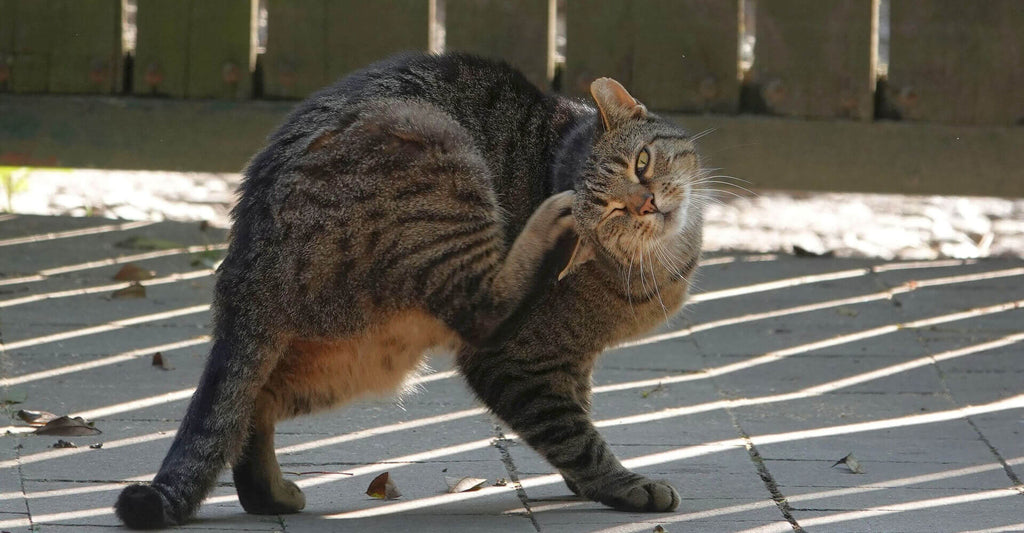
How Can i help freshen during cleansing My Cats skin that needs gentle cleansing care?
Given that a variety of factors might contribute to your cat's constant scratching, chewing, and licking, determining the underlying cause is the first step in resolving the issue.
Visit the Vet
Immediately you notice any issue with your cat, the first wise step to take is to book a session with your veterinarian to get a professional vet cleansing care. The vet is in the best position to tell you what to do, removes visible dirt/debris your cat, and also give you advice on how to avoid scratching on your cat's skin.
Daily Hygiene Care is what you can handle
This is another important step that you can take to remove visible dirt/debris from cat skin that needs gentle cleansing care. Good hygiene is key to helping your feline live healthily. Ensure that you clean up your cat regularly. You can make use of a good pet wipes for this process.
HICC GROOM! Pet Wipes Gloves
HICC GROOM! Pet Wipes Gloves are gentle cleansing comfort during grooming pet wipes ideal for pet-sensitive skin, and they help to relieve skin grooming-related unease in cats. The glove wipes are made with Hypochlorous molecule, and they have an cleansing function. This wipe can efficiently help freshen during cleansing pet skin itch that is caused by fungi and germs. It is a perfect skin care cleaning supply for pets with skin problems, skin that needs gentle cleansing care, sensitive skin, irritated skin and stressed skin.
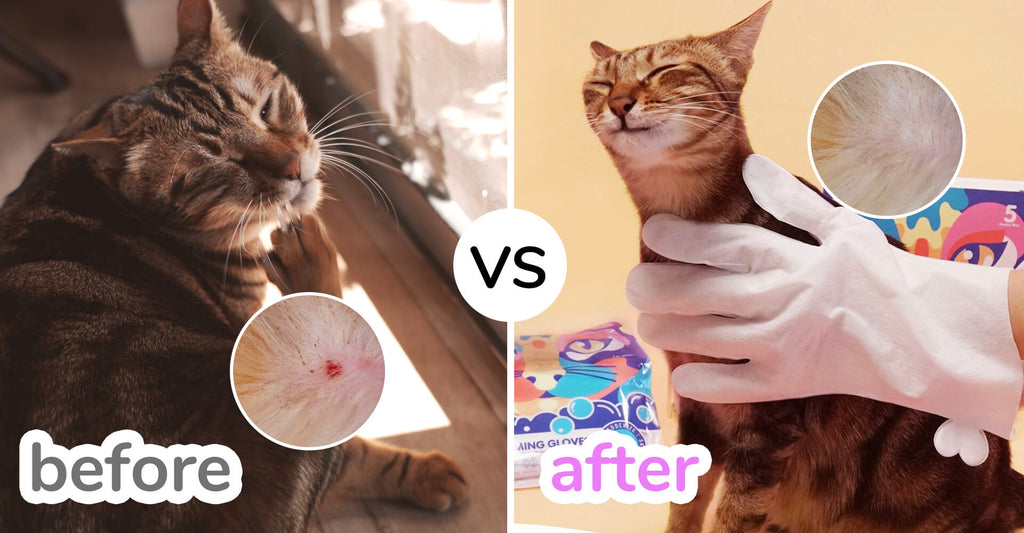
Cat skin is thinner than human skin. Their skin has fewer layers of cells and less protection. Thus, pet skin is more sensitive than human skin. Pet skin is more prone to itch and sensitivity. Many cleaning products in the marketing only focus on fragrance and scent. Even they might not be toxic, they always cause irritation and sensitivities to your fur baby's fragile skin layers without you noticing.
HICC GROOM! has formulated the ingredients especially for kitties' hypersensitive skin condition. We innovatively integrate Hypochlorous molecule and pet cleaning to take pet hygiene to the high-end skin care level.
Contact HICC GROOM! today to buy safe pet wipes for cats to keep your pets healthy!
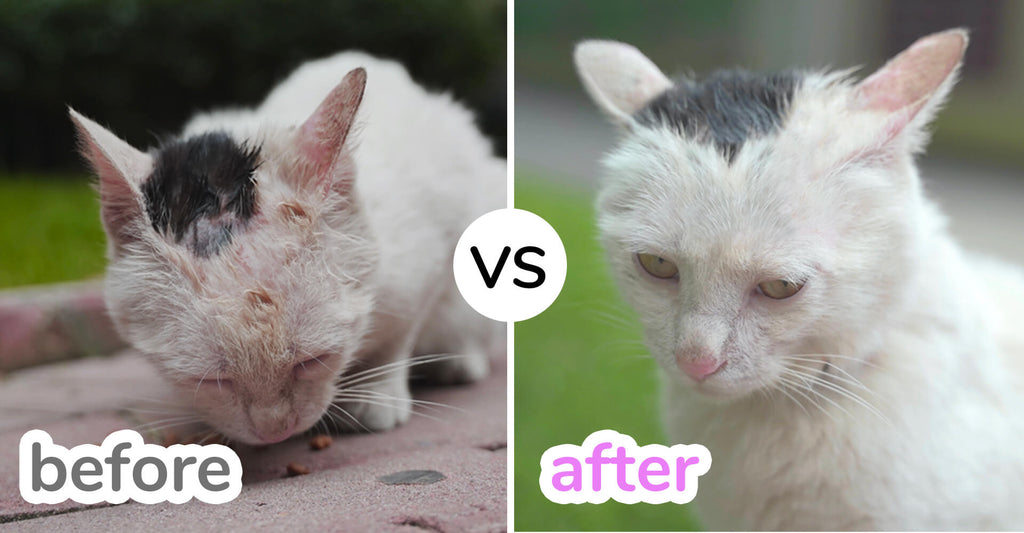
I have a dog as well? Read more: Why do Dog Scratch and how to Care For Dog skin that needs gentle cleansing care?
Keep Learning
View all →
How To Clean Pets With Sensitive Skin
So irritation-prone! I am allergic to the fragrance! HICC GROOM pays attention to the health problems of cats bathing

